One surprise of this past year is realizing that the next generation isn’t rejecting leadership and growth, they’re rejecting the outdated path we keep insisting they take.
As the year winds down, I always take a moment to look back at the ideas, trends, and conversations that genuinely surprised me. One theme that caught me off guard this year was how many Gen Z professionals are intentionally opting out of management roles. Not because they lack ambition—but because they see middle management as high‑stress, low‑reward, and misaligned with the kind of life they want to build.
And honestly, I understand why.
 |
Many of us grew up in a work culture where being “in before your boss and leaving after they left” was treated as a badge of honor. But when layoffs hit everyone equally—regardless of loyalty or hours logged—that old model lost its credibility. Gen Z watched this play out in real time. They drew a line, protected their well‑being, and created firm boundaries. The data backs it up: those who maintain rigid work‑life separation are significantly happier and more than twice as likely to detach successfully at the end of the day.
This isn’t a lack of commitment. It’s a recalibration of what a sustainable career looks like.
What This Means for Organizations
If we want a deep, resilient talent pool, we need to rethink how people grow—not just up, but across.
A few shifts I believe matter:
- Create multiple career pathways. Not everyone wants to manage people. Some want to lead projects occasionally. Others want to stay deeply technical. We should make all of those choices valid and supported.
- Redefine what it means to lead. The next generation of leaders will succeed not because they “command and control,” but because they facilitate, connect, and build networks that help others thrive.
- Select leaders based on capability, not tenure. Time in grade doesn’t predict effectiveness. Curiosity, empathy, clarity, and the ability to create psychological safety do.
- Normalize stepping in and out of leadership. Leadership shouldn’t be a one‑way door. People should be able to take on leadership when it aligns with their energy and step back when it doesn’t.
Action Steps to Consider
As you consider your 2026 talent development planning, here are a few practical moves I suggest:
- Audit your career paths. Do they all point upward, or do they allow for lateral growth and technical mastery?
- Revisit your leadership criteria. Are you rewarding the behaviors you actually want?
- Ask your early‑career employees what leadership means to them. Their answers may surprise you—and reshape your strategy.
- Pilot a “leadership rotation” model. Let people try leadership in low‑risk, high‑support environments.
I’d Love to Hear From You
How are you seeing this play out in your organization? Are younger professionals leaning away from management—and if so, how are you responding? Your insights and experiences help shape the conversation.
And if you’re exploring how to redesign leadership pathways or rethink your management model, let’s talk about ways we can partner on mapping out a practical, people‑centered approach.
#FutureOfWork #LeadershipDevelopment #GenZWorkforce #TalentStrategy
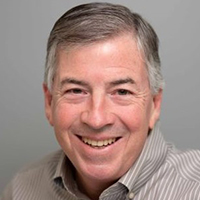
Bill Ryan
Bridging Distance, Building Excellence – As founder and CEO of Ryan Consulting, I transform how organizations thrive in remote and virtual environments.
For over 25 years, I’ve been fascinated by one question: How do we create extraordinary connection and performance when teams aren’t in the same room? This question has guided my career helping organizations harness the full potential of their distributed workforce.
My approach is refreshingly practical. I align what I call the 3P’s—Purpose, People, and Process—creating frameworks where remote teams don’t just function, they flourish. In today’s landscape of rapid change, this alignment isn’t just helpful—it’s your competitive edge.
Working together, we’ll craft solutions precisely calibrated to your organization’s unique challenges. Whether through customized workshops on performance support, process refinement, mobile solutions, or organizational effectiveness, I bring proven strategies that deliver measurable results.
My greatest satisfaction comes from watching leaders, teams, and individuals discover they can collaborate more effectively across distance than they ever thought possible. In a world of constant change, that’s not just good business—it’s transformational.
Ready to reimagine what your remote workforce can achieve? Let’s connect.