Why do we treat former employees like strangers when they may be some of our strongest future hires?

Last week, I attended an after-hours gathering of a former employer’s “alumni” network and it was wonderful. I reconnected with colleagues, shared stories, laughed about old projects, and caught up on where life and careers had taken everyone. What struck me most wasn’t how much had changed.
It was how much remained the same. The shared experiences and relationships built. The understanding of the organization’s culture, systems, and purpose. As I reflected on this experience, I was reminded of something I’ve believed for years.
Even when someone left my team for another role inside the organization, I never saw them as “gone.” I saw them as an alumnus of “our” team. I saw them as future learning leaders, business leaders, and strategic partners across the organization. The relationship didn’t end because the reporting line changed, it just changed.
That’s why I’ve become increasingly curious about a workforce strategy that many organizations seem to overlook: Former employees who want to come back.
 |
Over the years, I’ve spoken with many talented professionals who left an organization, gained new experiences, expanded their skills, and later tried to return. Many told the same story of applications submitted with little, or no, response, and no interviews.
Almost as if leaving had placed them into a “gone and forgotten” category. I find that fascinating because I often see something different. I see cultural allies who already understand the organization’s mission, values, customers, and ways of working. They bring fresh perspectives from outside while still understanding how to navigate inside.
In a world where organizations are competing for talent, investing heavily in onboarding, and working to preserve institutional knowledge, returning employees offer a unique strategic workforce opportunity. Ask yourself:
 Do we have a way to stay connected with former employees?
Have we intentionally defined an alumni (recruitment) strategy?
Do we actively welcome high-performing former employees back?
What are we learning from people who left and chose to return?
We spend a great deal of energy building pipelines for future talent. Perhaps we should spend more time nurturing relationships with talent we’ve already developed. We invest energy in building teams and internal networks, and these communities don’t end when someone changes jobs.
Has your organization embraced boomerang employees or alumni networks? Have you ever returned to a former employer, or considered doing so? What made that experience successful or frustrating?
And if your organization is exploring talent pipelines, workforce planning, leadership development, alumni engagement, or building stronger internal and external talent communities, let’s talk.
Because sometimes the best future hires are people who already know the way home.
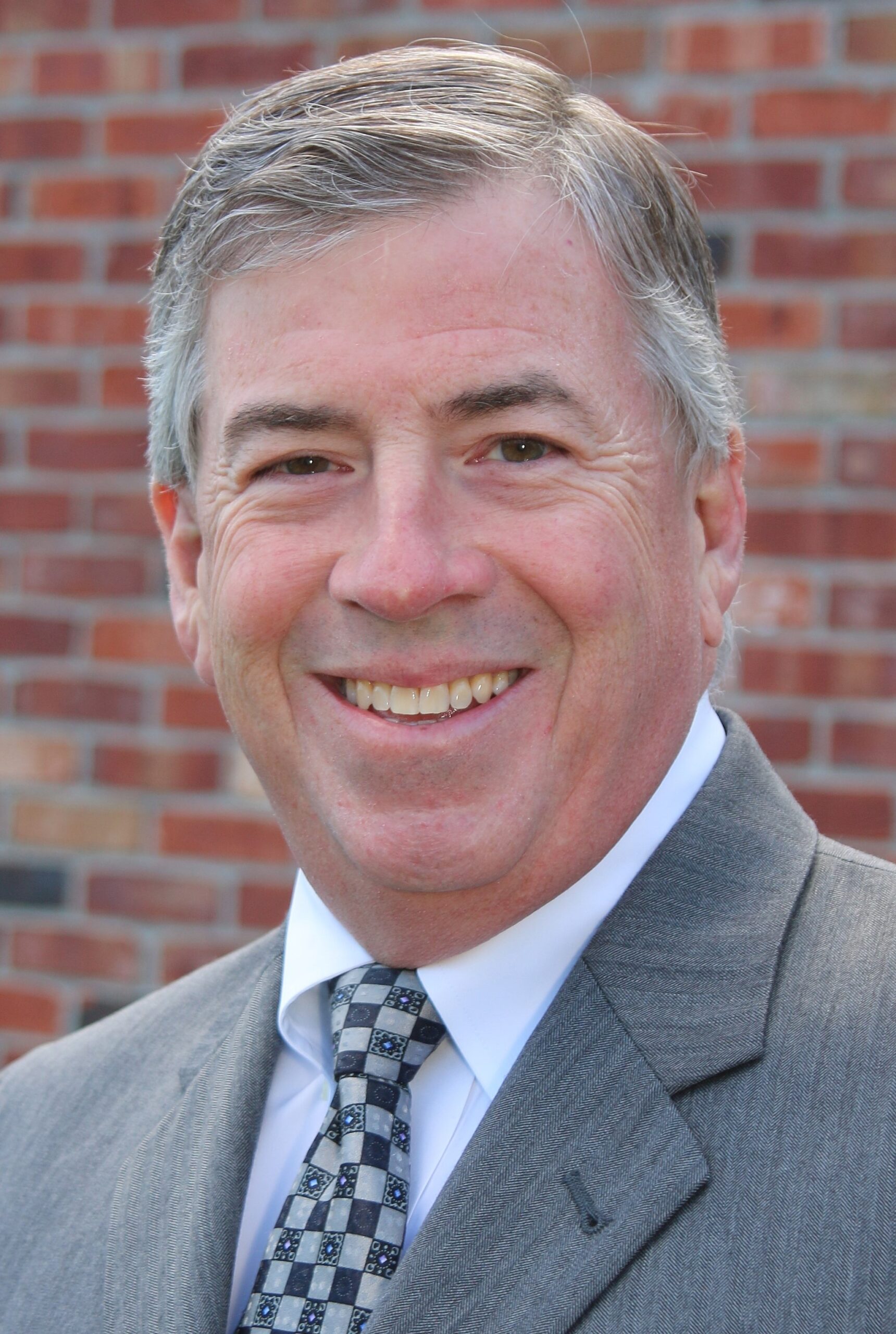
Bill Ryan
Bridging Distance, Building Excellence – As founder and CEO of Ryan Consulting, I transform how organizations thrive in remote and virtual environments.
For over 25 years, I’ve been fascinated by one question: How do we create extraordinary connection and performance when teams aren’t in the same room? This question has guided my career helping organizations harness the full potential of their distributed workforce.
My approach is refreshingly practical. I align what I call the 3P’s—Purpose, People, and Process—creating frameworks where remote teams don’t just function, they flourish. In today’s landscape of rapid change, this alignment isn’t just helpful—it’s your competitive edge.
Working together, we’ll craft solutions precisely calibrated to your organization’s unique challenges. Whether through customized workshops on performance support, process refinement, mobile solutions, or organizational effectiveness, I bring proven strategies that deliver measurable results.
My greatest satisfaction comes from watching leaders, teams, and individuals discover they can collaborate more effectively across distance than they ever thought possible. In a world of constant change, that’s not just good business—it’s transformational.
Ready to reimagine what your remote workforce can achieve? Let’s connect.